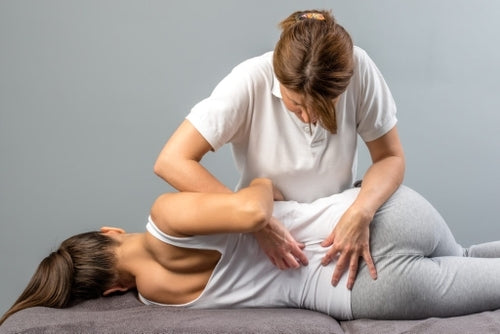
Osteopathy is a gentle, hands-on manual therapy that views the body as an interconnected whole. Rather than focusing only on the site of pain or symptoms, Osteopathic Manual Therapy looks at how the body’s structure, movement, circulation, and nervous system work together and how restrictions or compensation patterns in one area may influence another.
Osteopathic Manual Therapists use detailed assessment and palpation to better understand how the body is adapting and functioning as a whole. Treatment is aimed at improving mobility, reducing tension and strain, supporting circulation, and helping the body function as efficiently as possible.
Using a variety of gentle manual techniques including soft tissue therapy, joint articulation, mobilization, stretching, and other hands-on approaches, treatment is tailored to the individual and their unique presentation. Osteopathic care is patient-centered and considers not only physical symptoms, but also lifestyle, stress, injury history, and the many factors that can influence overall health and well-being.
People commonly seek osteopathic care for concerns such as back pain, neck pain, headaches, jaw tension, postural strain, sports injuries, pregnancy-related discomfort, and joint or muscle pain. Osteopathic treatment may also support individuals experiencing concerns related to stress, digestion, menstrual health, and the body’s overall ability to adapt and regulate.
At its core, osteopathy is founded on the understanding that the body has an inherent capacity for self-regulation and healing when its systems are able to move and function well together. The goal of treatment is not simply to chase symptoms, but to support balance, adaptability, and overall function within the body as a whole.